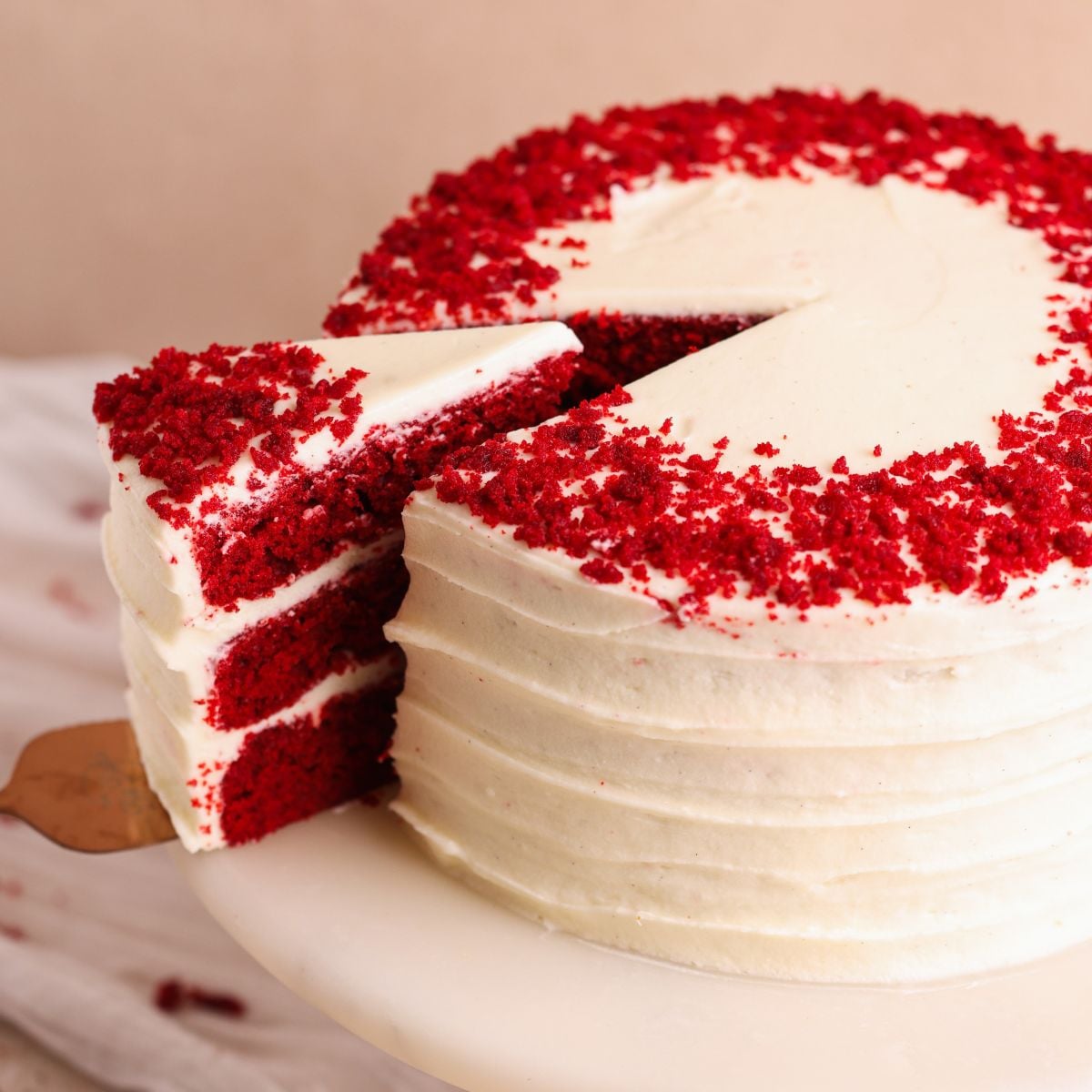
Red Velvet Cake Perfection: Balanced Flavor & Velvety Moist Texture
In the vast world of desserts, few confections capture the imagination quite like Red Velvet Cake. Its striking ruby hue, often contrasted with a pristine white frosting, hints at a depth of flavor that goes far beyond mere aesthetics. Yet, to truly experience the best red velvet cake is to embark on a journey that transcends expectations, revealing a symphony of balanced flavors and an exquisitely velvety texture. It's a cake that should be so much more than a vanilla cake with red food coloring, or a subtly chocolate one; it's a unique culinary masterpiece in its own right.
For many, the quest for the ultimate Red Velvet Cake ends in disappointment. Too sweet, too dry, too heavy, or lacking that indefinable "velvet" quality. But when perfected, this cake is an ultra-soft, moist, and utterly phenomenal experience, delivering a perfectly balanced flavor profile that will redefine your perception of this classic dessert. So, what exactly goes into making such an iconic cake truly shine, transforming it from a good cake into the undisputed best red velvet cake?
What Defines the Best Red Velvet Cake? More Than Just Color
The hallmark of an exceptional Red Velvet Cake lies in its intricate balance and sensory appeal. It's a combination of elements working in harmony, each contributing to an unforgettable experience. When we talk about the best red velvet cake, we're discussing a cake that excels in:
- A Distinct, Balanced Flavor: It's not just sweet. It's a sophisticated blend of vanilla, subtle cocoa, and a unique tanginess.
- Unrivaled Velvety Texture: The name isn's just a poetic description; it's a promise of a cake that is incredibly moist, tender, and feels like it melts in your mouth without being oily or heavy.
- The Perfect Red Hue: Achieving that signature vibrant red without masking the delicate flavors requires precision and understanding.
- A Luscious Cream Cheese Frosting: The ideal counterpart, adding a creamy, tangy, and fresh contrast that completes the cake.
The Elusive, Balanced Flavor Profile
Many mistakenly believe Red Velvet Cake is merely a chocolate cake or a vanilla cake dyed red. This couldn't be further from the truth. The best red velvet cake possesses a distinct flavor profile that sets it apart. It's a delicate dance between three key components:
- Vanilla: Providing a sweet, aromatic base.
- Subtle Chocolate: Not an overpowering cocoa punch, but a gentle, earthy hint that adds complexity. This is achieved by using just the right amount of cocoa powder, enough for flavor but not so much that it turns the cake brown.
- Unique Tanginess: This is arguably the most crucial and often misunderstood element. Derived from ingredients like buttermilk and vinegar, this tanginess is what truly balances the sweetness, making the cake incredibly palatable and giving it its signature "zing." Without it, the cake would simply fall flat.
This exquisite balance ensures that each bite is interesting and leaves you craving more, a testament to a truly well-crafted dessert.
The Signature Velvety Texture
The word "velvet" in the name isn't just for show; it's a descriptor of the cake's ideal texture. The best red velvet cake should be:
- Ultra-Moist: It should never be dry or crumbly. The moisture should permeate every morsel.
- Tender and Soft: To the point where it practically dissolves on your tongue, offering a melt-in-your-mouth sensation.
- Light and Not Dense: Despite its moisture, it shouldn't feel heavy or greasy, allowing you to enjoy a generous slice without feeling overwhelmed.
Achieving this "velvety perfection" is the paramount goal for any serious red velvet baker. It requires precise ingredient ratios and careful mixing techniques, ensuring the crumb is open and tender, not compact or gummy. Discover the Best Red Velvet Cake: Ultra Moist, Soft & Simple will delve deeper into the techniques for achieving this quintessential texture.
Unpacking the Flavor: The Secret to its Distinctive Taste
To understand the depth of flavor in the best red velvet cake, one must appreciate the science and art behind its key ingredients. The magic happens when specific components interact to create something truly unique.
The combination of buttermilk and vinegar is the cornerstone of Red Velvet's distinct tang. Buttermilk, an acidic dairy product, along with additional vinegar (often white or apple cider vinegar), reacts with baking soda in the batter. This acid-base reaction not only provides lift and a tender crumb but also activates the cocoa powder, enhancing its subtle flavor and, historically, contributing to a reddish hue (though modern recipes often rely on food coloring for vibrant color). This tanginess cuts through the sweetness, preventing the cake from being cloying and creating a refreshing contrast.
The cocoa powder's role is not to dominate, but to offer a delicate background note. Too much, and you have a chocolate cake; too little, and the complexity is lost. The finest red velvet cakes nail this balance, ensuring the chocolate is a whisper, not a shout, allowing the vanilla and tang to shine equally.
Achieving Velvety Perfection: Tips for an Irresistible Texture
The "velvet" in red velvet isn't just a marketing term; it's the texture standard every baker strives for. Here are some insights into how the best red velvet cake achieves its signature soft, moist, and melt-in-your-mouth crumb:
- Buttermilk is Key: Beyond flavor, buttermilk contributes to tenderness. Its acidity helps break down gluten, resulting in a softer crumb. Using fresh, full-fat buttermilk is crucial for optimal results.
- Oil vs. Butter: Many superior recipes opt for oil, or a combination of oil and butter. Oil contributes to a consistently moist cake that stays fresh longer, even when refrigerated, without becoming dense or heavy. Butter adds flavor but can sometimes yield a drier cake if not balanced correctly.
- Don't Overmix: Overmixing develops gluten, leading to a tough, dense cake. Mix the wet and dry ingredients just until combined. A light hand ensures a tender crumb.
- Room Temperature Ingredients: Ensuring eggs, buttermilk, and any butter are at room temperature helps them emulsify properly, creating a smooth batter and a consistent texture.
- Proper Leavening: The right balance of baking soda (reacting with the acids) and sometimes a touch of baking powder ensures the cake rises beautifully without being too airy or too dense, contributing to that perfect tenderness.
By paying close attention to these elements, you're well on your way to baking a cake that lives up to its "velvet" promise. For a hands-on approach to creating this masterpiece, you'll find invaluable guidance in Bake the Best Red Velvet Cake: Easy Recipe for Velvety Perfection.
The Indispensable Cream Cheese Frosting: A Symphony of Sweet and Tangy
No discussion of the best red velvet cake is complete without celebrating its quintessential partner: the cream cheese frosting. This isn't just any frosting; it's an integral part of the overall flavor experience.
A truly exceptional cream cheese frosting should be:
- Silky and Luscious: Smooth, creamy, and spreadable, creating an inviting visual and textural contrast to the cake.
- Not Overly Sweet: Just like the cake, balance is key. It should offer a pleasant sweetness that complements, rather than overwhelms, the cake's flavors.
- Wonderfully Tangy: The inherent tanginess of cream cheese, often enhanced with a touch of vanilla and sometimes lemon, mirrors and amplifies the tang in the cake itself. This freshness is what elevates the entire dessert.
The interplay between the cake's subtle cocoa and vanilla notes, its gentle tang, and the rich, tangy-sweet cream cheese frosting is what makes each bite so incredibly satisfying. It's the perfect culmination of balanced flavors and textures.
Simplicity Meets Sophistication: Why the Best Red Velvet Cake Can Be Easy to Make
One might assume that creating a cake described as "the ultimate" or "the best" would involve complicated techniques and exotic ingredients. Surprisingly, many recipes for the best red velvet cake prove otherwise. The beauty often lies in their simplicity.
The foundational ingredients for Red Velvet Cake are typically easy to find: flour, sugar, eggs, buttermilk, oil (or butter), cocoa powder, vinegar, baking soda, vanilla extract, and food coloring. The method itself can often be straightforward, sometimes requiring just a few steps without the need for a stand mixer, making it accessible even for beginner bakers. The challenge isn't in complexity, but in precision and understanding the role of each ingredient to achieve that perfect balance of flavor and texture. It's a testament that sometimes, the most profoundly delicious results come from well-executed fundamentals.
Conclusion
The journey to finding or baking the best red velvet cake is a rewarding one. It's about appreciating a dessert that offers far more than just a beautiful color. It's a culinary experience defined by a meticulously balanced flavor profile—a delicate blend of vanilla, subtle cocoa, and a distinctive tanginess—paired with an utterly irresistible, melt-in-your-mouth velvety moist texture. Coupled with a silky, tangy cream cheese frosting, a truly exceptional Red Velvet Cake is a symphony for the senses, proving that sometimes, classic perfection is well within reach. Seek out or create your own version of this iconic cake, and prepare to be delighted by its unique charm and unforgettable taste.
